Audiology & Hearing
Hearing Aid Repair & Service in Pine Bluff, Arkansas
We service hearing aids from most manufacturers - even if you purchased them somewhere else.
When your hearing aid stops working, sounds weak, cuts in and out, or simply does not sound the way it should, you may not need a new hearing aid.
At South Arkansas ENT & Hearing, we provide professional hearing aid cleaning, troubleshooting, maintenance, and repair for most makes and models.
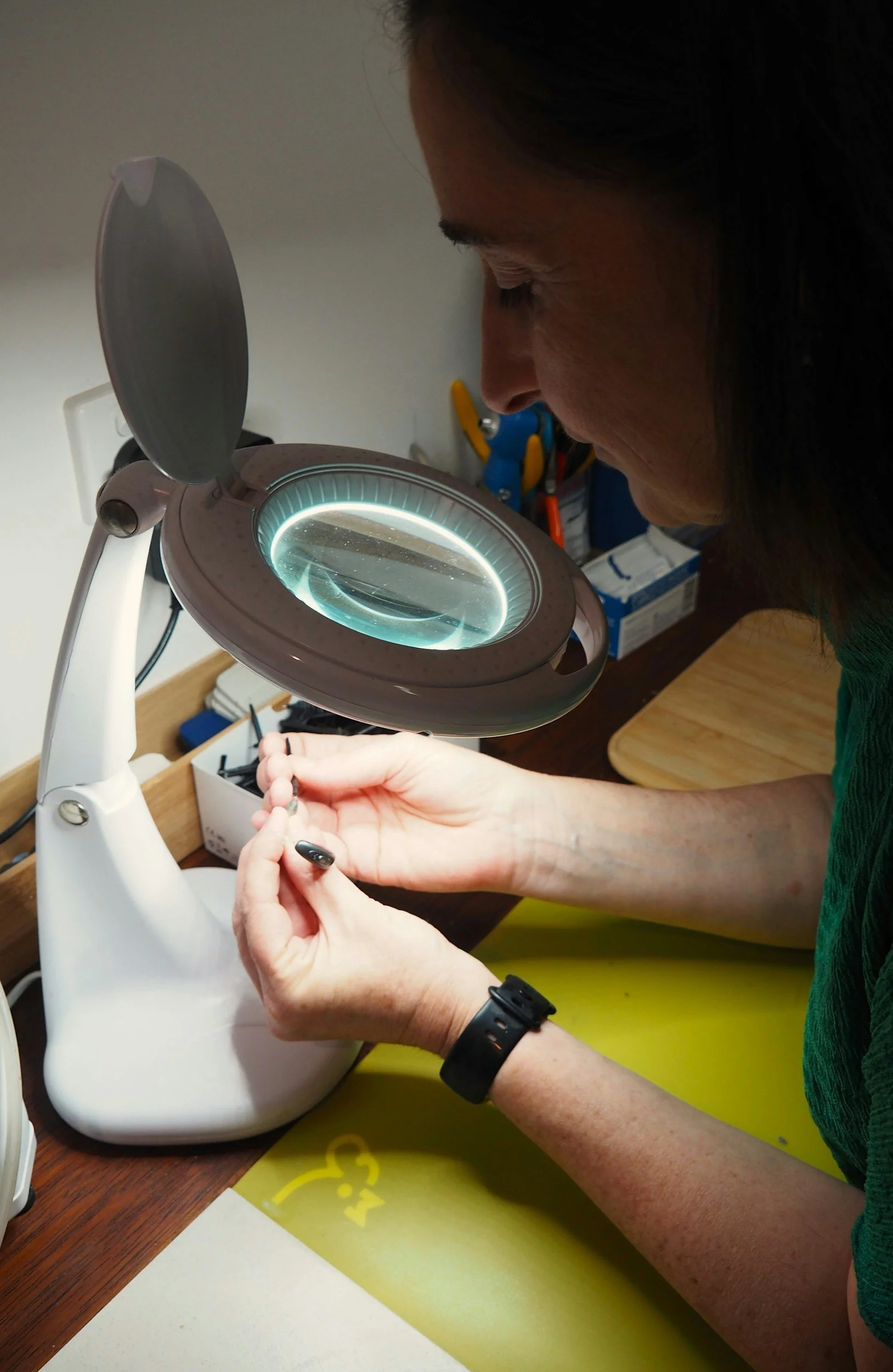
Whenever possible, we perform repairs in our office using the parts and supplies we have available.
If your hearing aid requires a repair that cannot be completed in-house, we can help determine whether manufacturer service may be available.
Call 870-535-3002 or bring your hearing aids to our office for evaluation.
All-Make Hearing Aid Service
You do not have to purchase your hearing aids from South Arkansas ENT & Hearing for us to look at them.
We routinely evaluate hearing aids purchased from:
- another audiologist
- another hearing aid clinic
- a previous provider
- an out-of-town provider
- an online or direct-to-consumer source
- an over-the-counter hearing aid provider
We service most makes and models of hearing aids. In-office repair is dependent on the device, its age, and whether compatible replacement parts are available.
Your hearing aid may still be working
No Sound? It May Simply Be Clogged.
If your rechargeable hearing aid:
- charges normally
- shows its normal charging light
- flashes green while sitting in the charger
but you still cannot hear sound when you put it in your ear, the hearing aid may simply be blocked with wax or debris.
In many cases, a professional deep cleaning can restore the sound.
Before assuming the hearing aid is broken, bring it to us. We can inspect the device and determine whether it needs cleaning, an in-office repair, or manufacturer service.
Many Hearing Aid Problems Can Be Fixed in the Office
A hearing aid that produces little or no sound is not necessarily broken.
One of the most common reasons a hearing aid stops producing sound is simply wax, moisture, or debris blocking the sound pathway.
Before assuming your hearing aid needs to be replaced or shipped away for repair, we can inspect and clean it.
Common in-office services may include:
- professional hearing aid cleaning
- removal of wax and debris
- deep cleaning of receivers and sound outlets
- microphone cleaning
- dome replacement
- receiver replacement when compatible parts are available
- tubing replacement
- battery-door or small component replacement when parts are available
- moisture removal
- charging-contact cleaning
- listening checks
- troubleshooting weak or intermittent sound
- checking rechargeable hearing aids and chargers
What We Check
When you bring a hearing aid in for service, we first try to determine whether the problem is mechanical, electrical, or simply related to wax or moisture.
We may evaluate:
- whether the hearing aid powers on
- charging or battery function
- microphone function
- receiver/speaker output
- wax buildup
- domes or earmolds
- tubing
- charging contacts
- visible moisture or corrosion
- physical damage
- intermittency
- overall sound quality
In-House Repair Whenever Possible
Our first goal is to get your hearing aid working again without unnecessary delay.
If the problem can be corrected with cleaning, maintenance, or a component we have available, we may be able to complete the repair in our office.
When a Manufacturer Repair Is Needed
Some hearing aid problems cannot be repaired safely or reliably in the office.
A manufacturer repair may be necessary for problems involving:
- internal electronics
- cracked shells or housings
- significant moisture damage
- internal microphone failure
- complex rechargeable battery problems
- circuit-board failure
- devices requiring proprietary manufacturer parts
- major physical damage
If we cannot repair the hearing aid in our office, we will explain the available options. Depending on the manufacturer, age of the device, warranty status, and availability of factory service, the hearing aid may need to be sent to the manufacturer.
Hearing Aids Purchased Somewhere Else
Yes - bring them to us.
We are happy to inspect hearing aids even if they were not originally purchased through South Arkansas ENT & Hearing.
We understand that patients move, change providers, inherit devices, purchase hearing aids elsewhere, or simply need help when their original provider is no longer nearby.
Our goal is to determine whether your current hearing aids can be cleaned, repaired, adjusted, or otherwise made useful again.
What About Over-the-Counter Hearing Aids?
We can inspect many OTC devices for basic concerns such as:
- wax blockage
- debris
- charging problems
- damaged domes or tips
- obvious physical problems
However, some OTC products are sealed, non-serviceable, or use proprietary components that are not available to professional hearing clinics.
For those devices, repair options may be limited to the original manufacturer.
When the Hearing Aid Works but You Still Cannot Hear Well
Sometimes the hearing aid itself is functioning correctly.
If the device is producing sound but speech still seems unclear, the issue could be:
- your hearing has changed
- the hearing aid programming no longer matches your hearing
- the hearing aid is physically fit incorrectly
- the hearing aid is under-amplifying certain pitches
- your word-recognition ability has changed
- the device is no longer appropriate for your degree of hearing loss
In that situation, we may recommend a hearing evaluation or programming appointment rather than a repair.
Professional Cleaning & Preventive Maintenance
Hearing aids sit in one of the most challenging environments for electronics: directly on or inside the ear.
They are routinely exposed to:
Regular professional cleaning can help reduce unexpected hearing aid problems and may extend the useful life of the device.
If detailed hearing aid cleaning is difficult for you, do not struggle with small filters, microphone covers, or tiny parts at home.
Perform the simple cleaning you are comfortable doing, and let us handle the more detailed maintenance in the office.
Common questions
Frequently Asked Questions
-
Yes. We can evaluate and service most makes and models, even if they were purchased from another provider. The extent of the repair depends on the hearing aid, its age, and parts availability.
-
lease call 870-535-3002 before coming in so we can tell you the best way to have your hearing aids evaluated.
-
Many common problems involving wax, debris, domes, tubing, receivers, or minor components may be handled in the office when compatible parts are available. More complex problems may require manufacturer repair.
-
Not necessarily. If the device is charging normally but producing little or no sound, it may simply be clogged with wax or debris. Bring it to our office so we can inspect and professionally clean it.
-
Sometimes. Repair options depend on the age of the hearing aid, manufacturer support, and whether replacement parts are still available.
-
We may be able to provide cleaning and basic troubleshooting for some OTC devices. However, many OTC products cannot be opened or repaired in-office and may need to be returned to the manufacturer.
Hearing Aid Not Working?